
True or False:
One question has the power to reduce symptoms of anxiety and depression and improve life satisfaction?
What do you think?
If you’re like most of the participants in my workshops recently you’ll be leaning towards False. Sensibly. As it seems infeasible one little question could be responsible for so much good.
But you’d be wrong.
One simple question does wield that power, and study after study has yielded similar results showing that groups asked this simple question benefited in this way compared to control groups.
Not only at the time, but the studies showed that when asked this question each day for a week, the positive impact lasted for six months.
The question: What went well today?
What 3 things went well, and why?
Martin P. Seligman, well known American psychologist and largely attributed as the founder of the field of Positive Psychology is responsible for this research. Seligman, much like Don Clifton (forefather of the Clifton Strengths tool we use in our individual coaching and in our Unite Team Strengths programs) identified that there was significant focus on “what was wrong with people” and not enough focus on what made people happy.
For clarification, the aim of traditional psychology is to reduce suffering. But according to Seligman and his colleagues, that’s not enough. Reducing suffering only brings us back to a zero state. It doesn’t necessarily bring us joy or make us happy.
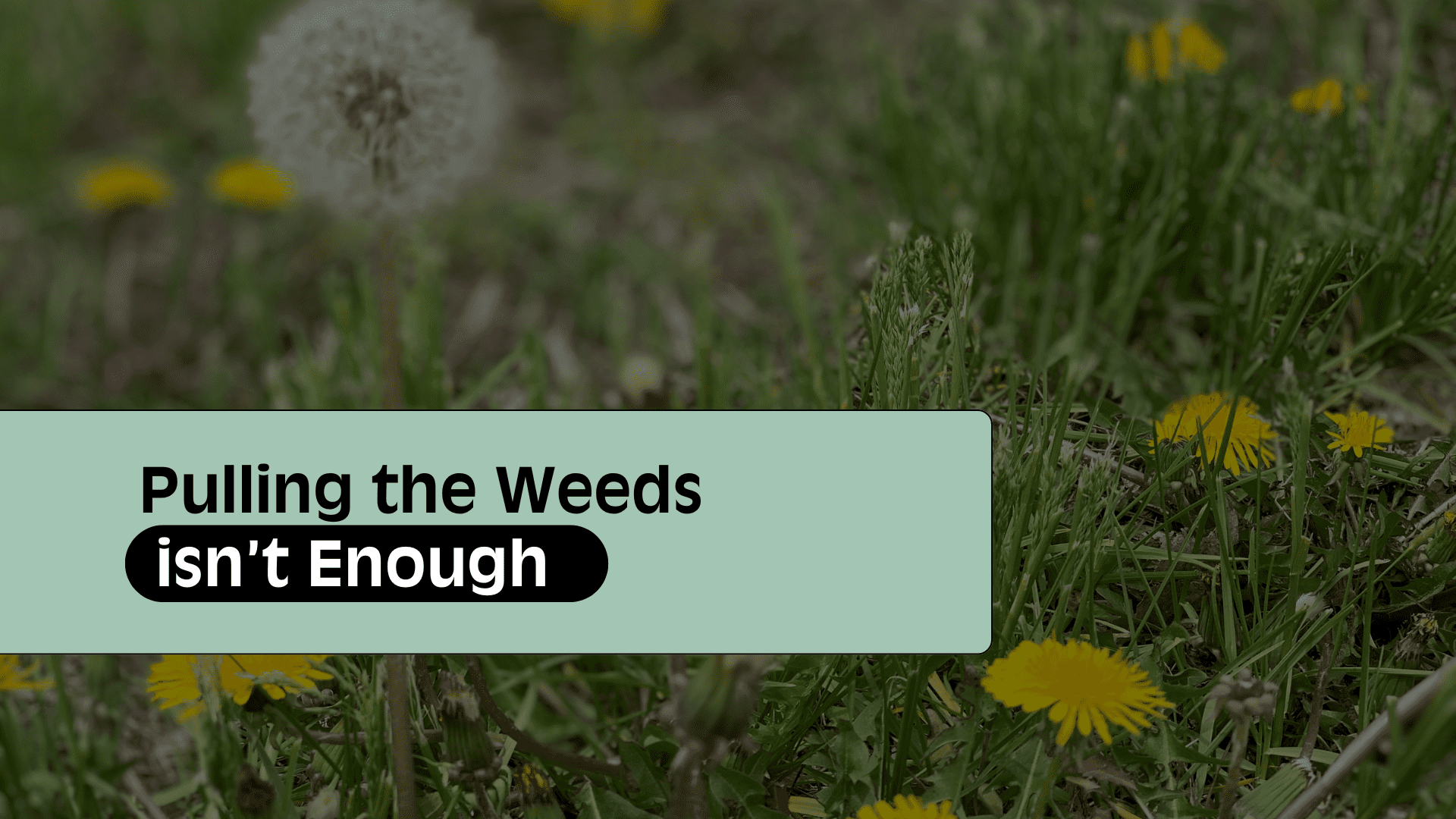
The metaphor they use is that if you weed the garden bed you are then just left with a bare garden. Reducing the suffering doesn’t mean you have joy. You have to plant the flowers and the vegetables to get the joy.
Another way to look at it might be through our banking. You can pay all of your bills and debts off, but that won’t necessarily mean you have a surplus of money. So, reducing or removing debt, doesn’t necessarily make you rich.
Seligman and his colleagues set out to identify what made humans happy. What made life worth living? This research subsequently established a new stream of Psychology known as Positive Psychology which over the last 20 or so years has gained in popularity as we strive for happier states of being.
Positive Psychology has given birth to things such as Positive Education where children are taught things like this question and other tools to increase happiness and resilience. Many families know this simple question as a result of their children bringing it home from school.
Pleasingly, Positive Journalism (known as Constructive Journalism) is also emerging as a new form of journalism that moves away from the traditional “if it bleeds it leads” headlines and offers more balanced, improvement focused reporting which is something we should all be applauding.
I’ve been studying Positive Psychology with Seligman and his colleagues through The University of Pennsylvania. The field of Positive Psychology is where the science of personal wellbeing has taken root, with answers to questions such as what increases our life satisfaction and builds our resilience.
I’ve long been a critic of the word “resilience”. It’s widely misunderstood and years ago seemed to be the way some leaders addressed concerns around workload or toxic work environments, with the common refrain, “you just need to be more resilient.”
I feel things have shifted in this regard which I’m pleased about. I don’t hear this word bandied about quite so much. Now it’s used in a way that is more about teaching people the science of wellbeing and the foundations of positive psychology. Simple tools like gratitude, and the What Went Well question which don’t just “feel good” but have been proven scientifically to positively impact us.
What I love about the work of Positive Psychology is that it gives us the tools to boost our individual happiness. And over recent years, I’ve become concerned that more and more people are placing this expectation on their leader and their workplace.
Do We Expect Too Much Of Our Workplaces?
Whilst workplaces have a legal (and I believe moral) obligation to protect people from harm – physical and psychological – they have no legal obligation to boost people’s happiness.
That’s on us.
We can’t give the responsibility for our happiness to others. That’s giving up our agency and self-determination. Why on earth would we risk putting something so precious in another’s hands.
Clever workplaces understand the conditions in which they can not only reduce harm (pull the weeds) but also boost engagement and satisfaction at work (plant some flowers). And good leaders certainly do their bit, checking in on their workers and supporting them, asking great coaching questions and having regular 1:1’s.
But our happiness. Our individual happiness – that’s on us. It’s not our leader’s job. And it’s not the workplaces responsibility. We cannot abrogate responsibility for our own happiness to others.
We can’t look to the workplace to solve all our woes. We can and should look to the workplace to prevent harm arising from work factors for sure. But we need to plant our own flowers.
If we want to thrive at work and we want workplaces to thrive so they can fulfil their role in our communities and economy, then the workplace creates the conditions (at work) in which we can bring our best, and we create the conditions (in our life) in which we can bring our best.
Let’s keep the responsibility in the right region and all do our part.
So, what went well today? What three things went well and why? Do something lovely for yourself and ask and answer that question.
Feel those flowers blooming.




Pulling the weeds isn’t enough provided an opportunity to view this age-old tug of war in a new light. As a team leader, I have faced the challenges of other’s expectations that doing my job well means I’m making everyone in my team happy and that an unhappiness is a direct reflection on me. Thank you for sharing these insights and expanding my tool kit to look at the side of others more deeply.