|
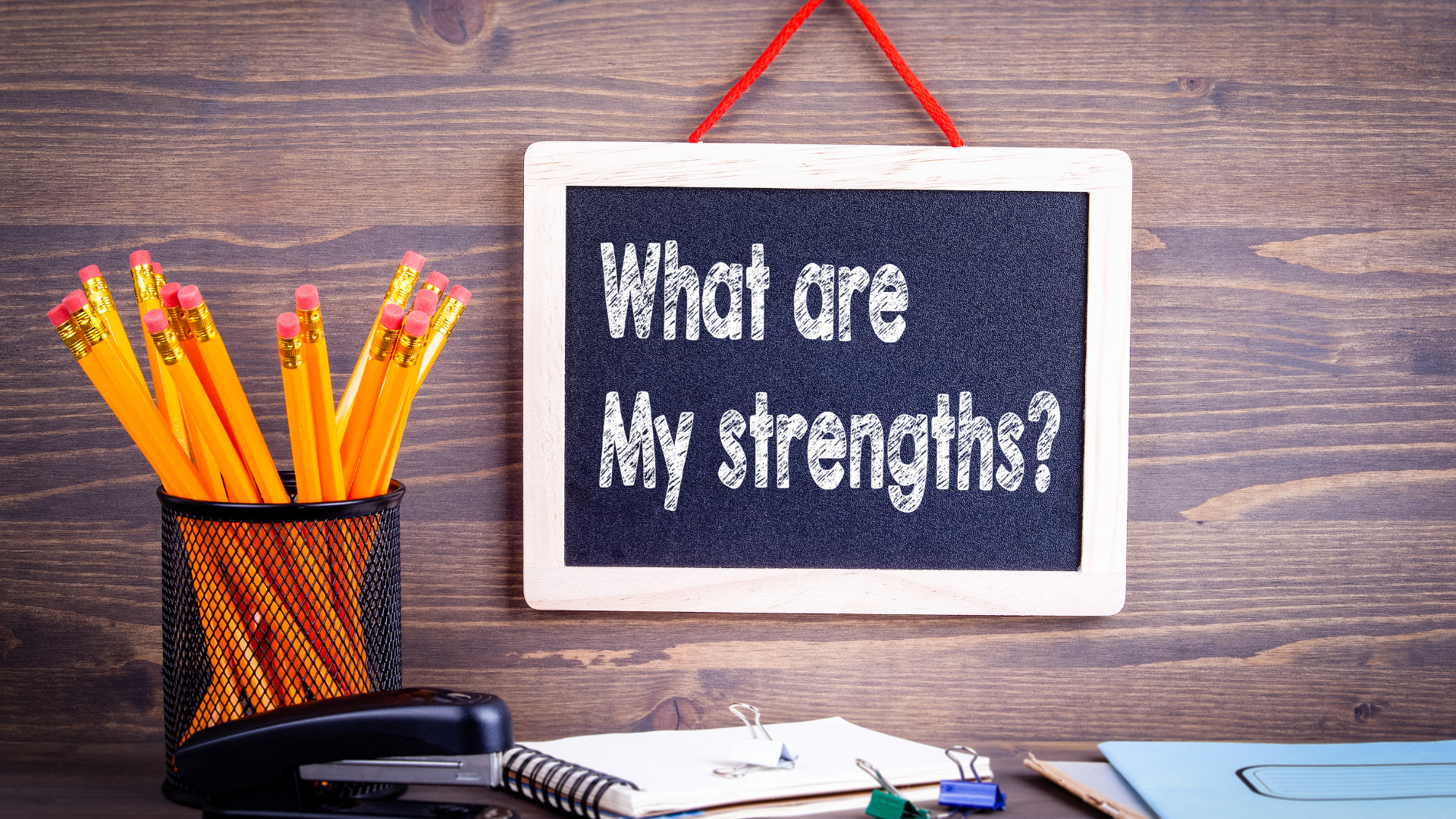
It is a cliché to ‘Know your strengths’. We see it emblazoned across LinkedIn platforms, job advertisements, newsletters and other media. Leaders use it. Sports coaches scream, ‘Play to your strengths’, and we all smile and nod as though we know what they are talking about. Most of us have some general awareness or belief about our strengths. But it’s not usually specific. We might say, ‘Yes, I’m good at working with people’ or ‘I’m good with spreadsheets’, but is that enough? What about you? Can you list your top five strengths? Any informal approach to strengths identification is useful. However, a better way to understand how you and others tick is to understand your natural strengths through a scientifically validated assessment instrument. One that facilitates constructive conversations amongst team members and reduces tensions and conflicts that arise when feedback is delivered poorly. There are many weakness-focused instruments designed to enhance self-awareness. While they may achieve this, they can have a significant negative impact. No one likes to hear they aren’t good at something. Covert tools such as the 360 can often yield cruel feedback that pulls the rug out from underneath wellmeaning leaders. One executive came to me for coaching when she was devastated by a scathing 360 assessment that completely blindsided her and left her doubting her abilities to the point of paralysis. Instead, I have long used the Gallup Clifton Strengths 34 profile tool with individuals and teams, and it continues to impress with meaningful insights. Team maps can provide useful organisational data and assist in designing programs and interventions that bring out the best in the workforce. ‘What would happen if we studied what was right with people, versus what’s wrong with people?’ That powerful question was asked by Don Clifton, the American psychologist, educator and researcher. Clifton started his research at the University of Nebraska-Lincoln library. But he was struck that all the psychology books were about what is wrong with people. He couldn’t find a single one about what might be right. From 1949 until he died in 2003, Clifton researched and invented ways to help people maximise their potential. He was determined to help people understand who they are and who they could become. His work ultimately led to the development of the Clifton Strengths Assessment (formerly known as Clifton StrengthsFinder). This evidence-based assessment tool is underpinned by 60 years of research. Over 31 million people worldwide have completed the assessment, including more than 90% of Fortune 500 companies. I have used this assessment in my work for years. It never fails to impress me and those who utilise it. The tool provides rich understanding of why interpersonal relationships may be tense or unproductive. We can also gain valuable organisational insights into strengths when working with teams and across organisations. At one organisation, I mapped the individual and collective strengths profiles of the CEO and executive team. The report showed that more than 75% of the group had a strength that required more 1:1 time and deeper connections. These individuals were geographically spread and remote from one another, and relationships were not as strong as they could have been. Through this and other identifying patterns, they understood their current state culture and designed activities to achieve their desired future state. In another organisation, we profiled almost 80% of their leadership and identified that the natural strengths of the group signalled a higher risk of overwork and burnout. This group needed support to ensure they took appropriate breaks, and the executive team needed to monitor the levels of discretionary effort they contributed because of their innate strengths. On a personal level, understanding my Strengths profile helped me understand why I love developing people but need to lock myself away and stay in my head for hours on end. That insight was totally revealing and gave me permission to do what is necessary to play to my strengths. It stopped me from feeling anti-social because I needed those moments of alone time. “I always felt there was something wrong with me” were the relieved words one executive used after completing the instrument. Understanding the gifts of our strengths, means we recognise that they make us who we are. These are science-backed answers, not some personality flaw. I’ve seen incredible transformations using this instrument for individuals, functional teams and broader leadership teams. We all tick differently. We are all unique and beautiful and complex and sometimes annoying. Understanding yourself better allows you to work in ways that energise you and develop patterns and habits that bring out your best. Doing that helps your team do the same. |
Clifton Strengths Programs


– Team presentation on Strengths-Based Coaching, research, the program – 90 minutes
– Team map reports provided to Team Leader
– Half-day Strengths Mapping Workshop; further individual reflective activities and blind spot action planning


0 Comments